
Table of contents
- Overview of Battery Technology
- Types of Batteries Developed by BYD
- Innovations in Lithium Iron Phosphate (LiFePO4) Batteries
- BYD’s Role in Electric Vehicle (EV) Battery Production
- Sustainability and Environmental Impact of BYD’s Batteries
- Comparison with Competitors: How BYD Stands Out
- Future Trends in Battery Technology and BYD’s Position
- Case Studies: Successful Applications of BYD’s Battery Technology
- Conclusion: The Future of Energy Storage with BYD
Dive into the world of BYD’s innovative battery technology, where cutting-edge engineering meets sustainability. Explore what sets BYD apart today!
Overview of Battery Technology
Battery technology has become a cornerstone of modern innovation, driving advancements in everything from smartphones to electric vehicles. The importance of efficient, sustainable, and powerful batteries cannot be overstated, as they are crucial for reducing our reliance on fossil fuels and promoting renewable energy sources. At the heart of this technological revolution is BYD, a company that has consistently pushed the boundaries of what is possible in battery engineering.
BYD, which stands for “Build Your Dreams,” has emerged as a global leader in battery technology. Founded in 1995, the company initially focused on manufacturing rechargeable batteries for small electronic devices. Over the years, BYD has expanded its expertise to encompass a wide range of applications, including electric vehicles (EVs), energy storage systems, and even grid-scale power solutions. This diversification has positioned BYD as a key player in the transition to a more sustainable energy future.
The company’s commitment to innovation is evident in its extensive research and development efforts. BYD operates multiple R&D centers worldwide, employing thousands of engineers and scientists dedicated to advancing battery technology. This focus on continuous improvement has enabled BYD to develop a portfolio of cutting-edge batteries that meet the diverse needs of today’s energy landscape. As we delve deeper into BYD’s battery technology, it becomes clear that the company’s contributions extend far beyond mere manufacturing; they are shaping the future of energy storage.

Types of Batteries Developed by BYD
BYD’s expertise in battery technology is reflected in the variety of batteries it produces. These batteries are designed to cater to different applications, each with its unique requirements and challenges. The primary types of batteries developed by BYD include Lithium Iron Phosphate (LiFePO4) batteries, Nickel Cobalt Manganese (NCM) batteries, and solid-state batteries.
Lithium Iron Phosphate (LiFePO4) batteries are among BYD’s most notable innovations. These batteries are known for their excellent thermal stability, long cycle life, and safety. Unlike other lithium-ion batteries, LiFePO4 batteries are less prone to overheating and thermal runaway, making them ideal for applications that demand high safety standards, such as electric vehicles and energy storage systems. Additionally, their longer lifespan reduces the need for frequent replacements, contributing to lower overall costs and environmental impact.
Nickel Cobalt Manganese (NCM) batteries are another key offering from BYD. These batteries are characterized by their high energy density, which allows them to store more energy in a smaller footprint. This makes NCM batteries particularly suitable for applications where space and weight are critical factors, such as in electric vehicles and portable electronic devices. BYD has made significant strides in improving the performance and safety of NCM batteries, ensuring they meet the rigorous demands of modern technology.
Solid-state batteries represent the next frontier in battery technology, and BYD is at the forefront of this exciting development. Unlike conventional lithium-ion batteries, which use liquid electrolytes, solid-state batteries employ solid electrolytes. This design offers several advantages, including higher energy density, improved safety, and longer cycle life. While solid-state batteries are still in the early stages of commercialization, BYD’s ongoing research and development efforts are poised to bring these advanced batteries to market in the near future, further solidifying the company’s position as a leader in battery innovation.
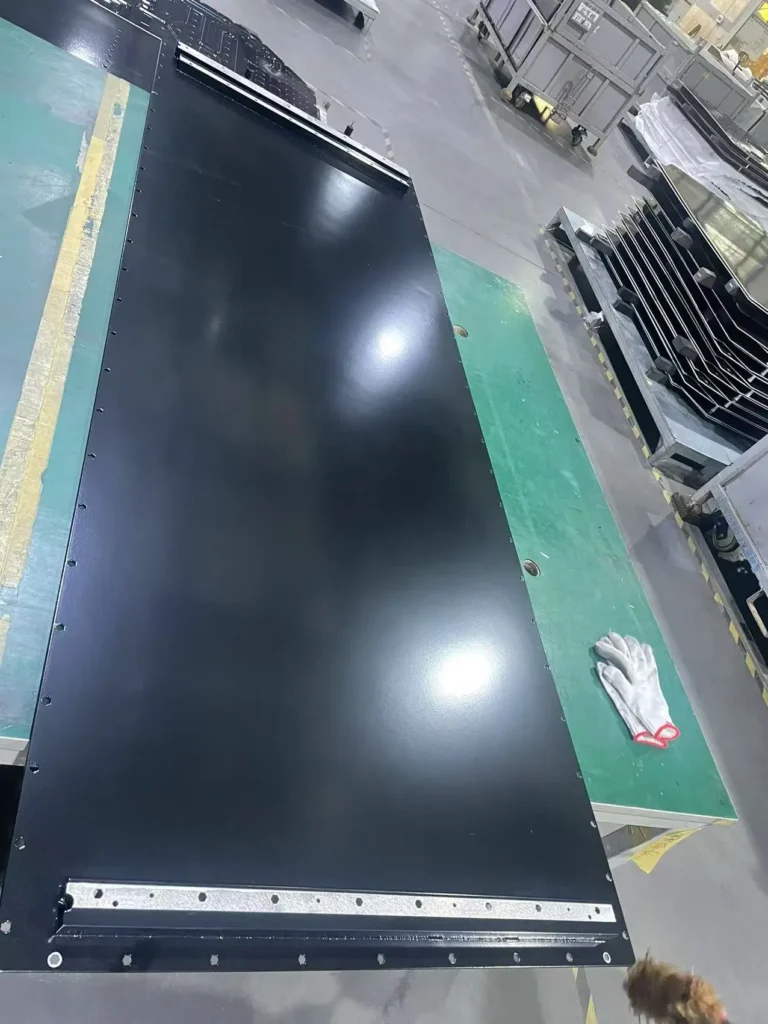
Innovations in Lithium Iron Phosphate (LiFePO4) Batteries
One of BYD’s most significant contributions to battery technology is its innovation in Lithium Iron Phosphate (LiFePO4) batteries. These batteries have gained widespread recognition for their superior safety, durability, and environmental friendliness. BYD’s advancements in LiFePO4 technology have set new industry standards and opened up new possibilities for various applications.
A key innovation in BYD’s LiFePO4 batteries is their enhanced thermal stability. Traditional lithium-ion batteries are susceptible to thermal runaway, a dangerous condition that can lead to overheating and even fires. BYD has addressed this issue by optimizing the chemical composition and structure of its LiFePO4 batteries. The result is a battery that can withstand higher temperatures and is less likely to experience thermal runaway, making it a safer choice for electric vehicles and energy storage systems.
Another notable advancement is the extended cycle life of BYD’s LiFePO4 batteries. These batteries can endure thousands of charge and discharge cycles without significant degradation in performance. This longevity not only reduces the need for frequent replacements but also lowers the total cost of ownership. For consumers and businesses alike, the durability of BYD’s LiFePO4 batteries translates to long-term savings and a reduced environmental footprint, as fewer batteries end up in landfills.
BYD has also made strides in improving the energy density of its LiFePO4 batteries. While LiFePO4 batteries traditionally had lower energy density compared to other lithium-ion batteries, BYD’s continuous research and development efforts have led to significant improvements in this area. The company’s latest LiFePO4 batteries offer higher energy density, enabling them to store more energy in a compact form factor. This makes them ideal for applications where space and weight are critical considerations, such as in electric vehicles and portable power solutions.
BYD’s Role in Electric Vehicle (EV) Battery Production
BYD has established itself as a dominant force in the electric vehicle (EV) battery market, playing a pivotal role in the global shift towards sustainable transportation. The company’s expertise in battery technology, coupled with its commitment to innovation, has enabled it to produce high-performance batteries that power a wide range of electric vehicles, from passenger cars to buses and trucks.
One of the key factors contributing to BYD’s success in EV battery production is its vertical integration strategy. Unlike many other companies that rely on external suppliers for battery components, BYD controls the entire production process, from raw material sourcing to battery assembly. This vertical integration allows BYD to maintain strict quality control, reduce costs, and accelerate the development and deployment of new battery technologies. As a result, BYD can offer reliable and cost-effective battery solutions that meet the diverse needs of the EV market.
BYD’s electric vehicle batteries are renowned for their performance and reliability. The company’s LiFePO4 batteries, in particular, are highly regarded for their safety, long cycle life, and thermal stability. These attributes make them an ideal choice for electric vehicles, where battery safety and longevity are paramount. BYD’s commitment to continuous improvement has also led to advancements in energy density and charging efficiency, further enhancing the performance of its EV batteries.
In addition to producing batteries for its own line of electric vehicles, BYD supplies batteries to other automakers and partners worldwide. The company’s extensive manufacturing capabilities and robust supply chain enable it to meet the growing demand for EV batteries on a global scale. By providing high-quality batteries to a wide range of customers, BYD is helping to accelerate the adoption of electric vehicles and reduce greenhouse gas emissions in the transportation sector.
Sustainability and Environmental Impact of BYD’s Batteries
Sustainability is at the core of BYD’s mission, and this commitment is evident in the company’s approach to battery technology. BYD’s batteries are designed with environmental considerations in mind, from the sourcing of raw materials to the end-of-life management of battery products. The company’s efforts to minimize the environmental impact of its batteries contribute to a more sustainable future for energy storage and transportation.
One of the key sustainability features of BYD’s batteries is their use of environmentally friendly materials. For example, BYD’s LiFePO4 batteries do not contain cobalt, a material commonly used in other lithium-ion batteries. Cobalt mining is associated with significant environmental and social issues, including habitat destruction and human rights abuses. By eliminating cobalt from its LiFePO4 batteries, BYD reduces the environmental footprint of its products and promotes more ethical sourcing practices.
BYD also prioritizes the recyclability of its batteries. The company has developed processes for the safe and efficient recycling of battery materials, ensuring that valuable resources are recovered and reused. This approach not only reduces the environmental impact of battery disposal but also conserves natural resources by reducing the need for new raw materials. BYD’s commitment to recycling is part of a broader strategy to create a circular economy for battery technology, where materials are continuously reused and repurposed.
Energy efficiency is another important aspect of BYD’s sustainability efforts. The company’s batteries are designed to maximize energy storage and minimize energy loss, resulting in more efficient use of resources. This is particularly important for applications such as electric vehicles and renewable energy storage, where energy efficiency directly impacts performance and cost-effectiveness. By developing high-efficiency batteries, BYD is helping to make sustainable energy solutions more accessible and affordable for consumers and businesses alike.
Comparison with Competitors: How BYD Stands Out
In the competitive landscape of battery technology, BYD stands out for its innovative approach, comprehensive product portfolio, and commitment to sustainability. While many companies are vying for a share of the rapidly growing battery market, BYD’s unique strengths set it apart from its competitors and position it as a leader in the industry.
One of BYD’s key differentiators is its vertical integration strategy. By controlling the entire battery production process, from raw material sourcing to manufacturing and assembly, BYD can ensure high quality and consistency across its products. This level of control also allows BYD to quickly adapt to market demands and technological advancements, giving it a competitive edge over companies that rely on external suppliers. Vertical integration also helps BYD reduce costs and pass on savings to customers, making its batteries more affordable and accessible.
Another factor that sets BYD apart is its focus on safety and reliability. The company’s LiFePO4 batteries are renowned for their excellent thermal stability and long cycle life, making them a safer and more durable option compared to other lithium-ion batteries. BYD’s commitment to safety extends to its rigorous testing and quality assurance processes, which ensure that its batteries meet the highest standards of performance and reliability. This emphasis on safety and quality has earned BYD a strong reputation in the industry and the trust of its customers.
Sustainability is also a key area where BYD excels. The company’s use of environmentally friendly materials, commitment to recycling, and focus on energy efficiency demonstrate its dedication to minimizing the environmental impact of its batteries. While many competitors are also making strides in sustainability, BYD’s comprehensive approach and long-standing commitment to green practices set it apart as a leader in this area. By prioritizing sustainability, BYD not only meets the growing demand for eco-friendly products but also contributes to the broader goal of a more sustainable energy future.
Future Trends in Battery Technology and BYD’s Position
The future of battery technology is poised for exciting advancements, and BYD is well-positioned to lead the way. As the demand for energy storage solutions continues to grow, driven by the rise of electric vehicles, renewable energy, and portable electronics, the need for more efficient, powerful, and sustainable batteries becomes increasingly important. BYD’s ongoing research and development efforts are focused on addressing these emerging trends and shaping the future of battery technology.
One of the most promising trends in battery technology is the development of solid-state batteries. These batteries use solid electrolytes instead of liquid ones, offering several advantages, including higher energy density, improved safety, and longer cycle life. BYD is actively investing in the research and development of solid-state batteries, with the goal of bringing them to market in the near future. The successful commercialization of solid-state batteries could revolutionize a wide range of applications, from electric vehicles to portable electronics, and solidify BYD’s position as a leader in battery innovation.
Another key trend is the increasing focus on sustainability and environmentally friendly materials. As concerns about the environmental impact of battery production and disposal grow, there is a push towards developing batteries that use more sustainable materials and are easier to recycle. BYD’s existing efforts in this area, such as its use of cobalt-free LiFePO4 batteries and its commitment to recycling, position the company well to meet the demand for greener battery solutions. By continuing to prioritize sustainability, BYD can help drive the industry towards more eco-friendly practices and products.
Advancements in battery energy density and charging efficiency are also expected to play a significant role in the future of battery technology. Higher energy density batteries can store more energy in a smaller footprint, making them ideal for applications where space and weight are critical considerations. Improvements in charging efficiency can reduce charging times and increase the convenience of using battery-powered devices. BYD’s ongoing research and development efforts are focused on enhancing these aspects of its batteries, ensuring that its products remain at the cutting edge of performance and convenience.
Case Studies: Successful Applications of BYD’s Battery Technology
BYD’s battery technology has been successfully applied in a wide range of real-world scenarios, demonstrating its versatility and effectiveness. These case studies highlight the impact of BYD’s innovations in various applications, from electric vehicles to energy storage systems, and showcase the company’s ability to deliver high-performance, reliable, and sustainable battery solutions.
One notable case study is BYD’s role in the electrification of public transportation. In cities around the world, BYD’s electric buses are helping to reduce air pollution and greenhouse gas emissions. For example, in Shenzhen, China, BYD’s hometown, the entire public bus fleet has been converted to electric, with over 16,000 electric buses in operation. These buses are powered by BYD’s LiFePO4 batteries, which offer the safety, reliability, and long cycle life needed for demanding public transportation applications. The success of this initiative has made Shenzhen a model for other cities looking to transition to cleaner, more sustainable public transportation systems.
Another successful application of BYD’s battery technology is in energy storage systems for renewable energy. BYD’s batteries are used in a variety of energy storage projects, ranging from residential solar energy storage solutions to large-scale grid storage systems. For instance, BYD’s energy storage solutions have been deployed in California to help integrate renewable energy sources into the grid and enhance grid stability. These systems store excess energy generated by solar panels and wind turbines, making it available for use during periods of high demand or low renewable energy generation. This helps to maximize the use of renewable energy and reduce reliance on fossil fuels.
In the realm of consumer electronics, BYD’s batteries power a wide range of devices, from smartphones to laptops. The company’s high energy density NCM batteries are particularly well-suited for applications where space and weight are critical considerations. For example, BYD’s batteries are used in high-end smartphones that require long battery life and fast charging capabilities. The reliability and performance of BYD’s batteries make them a preferred choice for leading electronics manufacturers, further demonstrating the company’s expertise and versatility in battery technology.
Conclusion: The Future of Energy Storage with BYD
As we explore the cutting-edge battery technology developed by BYD, it becomes clear that the company is at the forefront of the energy storage revolution. From its innovative LiFePO4 batteries to its advancements in solid-state technology, BYD’s contributions are shaping the future of energy storage and driving the transition to a more sustainable energy landscape. The company’s commitment to safety, reliability, and sustainability sets it apart from its competitors and positions it as a leader in the industry.
BYD’s role in electric vehicle battery production, energy storage systems, and consumer electronics demonstrates the versatility and impact of its battery technology. The successful applications of BYD’s batteries in various real-world scenarios highlight the company’s ability to deliver high-performance, reliable, and eco-friendly solutions. As the demand for energy storage continues to grow, BYD’s ongoing research and development efforts will ensure that it remains at the cutting edge of battery innovation.
Looking ahead, the future of energy storage with BYD is bright. The company’s focus on developing advanced technologies, such as solid-state batteries, and its commitment to sustainability will drive further advancements and open up new possibilities for a wide range of applications. By prioritizing safety, performance, and environmental impact, BYD is not only meeting the needs of today’s energy landscape but also paving the way for a more sustainable and efficient energy future. As we continue to rely more on renewable energy and electric transportation, BYD’s cutting-edge battery technology will play a crucial role in powering a cleaner, greener world.