
Discover where to find the high voltage battery cooling plate in EVs and learn how it plays a vital role in maintaining optimal performance and longevity.
Importance of Cooling Systems in Electric Vehicles
Electric vehicles (EVs) represent the future of the automotive industry, offering an eco-friendly alternative to traditional gasoline-powered cars. However, one of the critical challenges they face is managing the heat generated by high voltage batteries. Effective cooling systems are essential in EVs to ensure that the batteries operate within optimal temperature ranges. Without proper cooling, batteries can overheat, leading to reduced performance, potential damage, and even safety hazards.
High voltage batteries generate significant amounts of heat during both charging and discharging cycles. This heat, if not dissipated efficiently, can accelerate the degradation of battery cells, shortening their lifespan. Cooling systems help to maintain a stable temperature, ensuring that the battery remains within a safe operating range. This, in turn, maximizes the efficiency and reliability of the vehicle.
Moreover, advanced cooling systems contribute to the overall performance of EVs. By maintaining optimal temperatures, they enable the batteries to deliver consistent power output, enhancing the driving experience. As EV technology continues to evolve, the importance of robust cooling solutions cannot be overstated, making them a critical component in the design and functionality of modern electric vehicles.
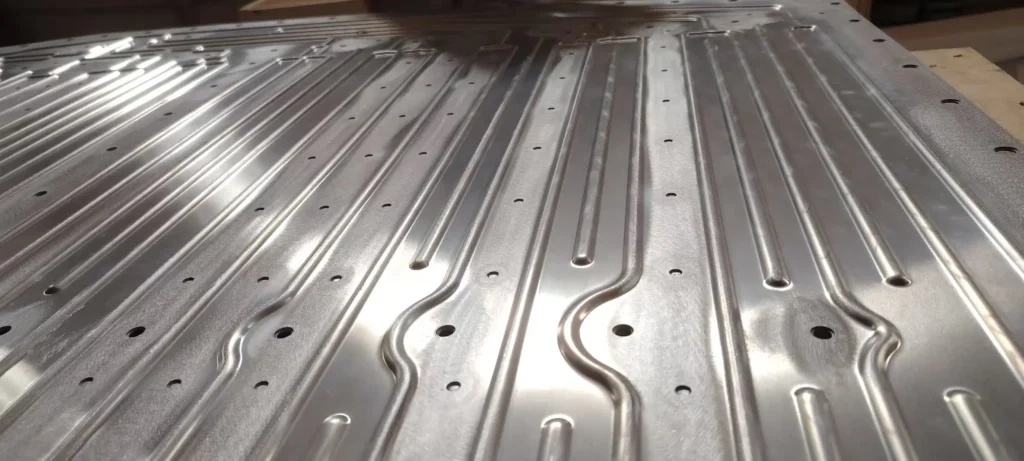
Components of a High Voltage Battery Cooling System
A high voltage battery cooling system in an EV typically comprises several key components that work together to manage heat. These include cooling plates, heat exchangers, coolant pumps, and thermal sensors. Each component plays a specific role in ensuring the effective dissipation of heat generated by the battery pack.
Cooling plates, often made of aluminum or other conductive materials, are placed in direct contact with the battery cells. They absorb heat from the cells and transfer it to the coolant circulating through the system. Heat exchangers, such as radiators, then dissipate this heat into the air or another cooling medium. Coolant pumps circulate the coolant through the system, ensuring continuous heat transfer.
Thermal sensors are strategically placed to monitor the temperature of the battery cells and the coolant. They provide real-time data to the vehicle’s thermal management system, which adjusts the cooling process as needed. By working in tandem, these components ensure that the battery remains within the desired temperature range, optimizing performance and longevity.
Location of Cooling Plates in Different EV Models
The placement of cooling plates can vary significantly between different EV models, depending on the design and architecture of the vehicle’s battery pack. In many cases, cooling plates are integrated directly into the battery module, positioned between the cells to maximize heat transfer.
For instance, in Tesla’s Model S, the cooling plates are embedded within the battery pack, forming a continuous network that effectively manages heat. This design allows for efficient cooling of the entire battery module, ensuring uniform temperature distribution across all cells. Similarly, the Chevrolet Bolt EV incorporates cooling plates within its battery pack, utilizing a liquid-cooled thermal management system to maintain optimal temperatures.
In contrast, some EVs, such as the Nissan Leaf, use an air-cooled system with cooling plates located externally to the battery pack. These plates rely on ambient air to dissipate heat, offering a simpler, yet effective cooling solution. Regardless of the specific design, the primary goal remains the same: to manage heat and ensure the longevity and performance of the battery.
How to Access the Cooling Plate for Maintenance
Accessing the cooling plate for maintenance can be a complex task, often requiring specialized tools and knowledge. In many cases, it involves disassembling parts of the vehicle to reach the battery pack and the cooling system. This process should be undertaken with caution, as improper handling can lead to damage or safety hazards.
First, it is essential to consult the vehicle’s service manual, which provides detailed instructions on accessing the battery cooling system. This manual will outline the necessary steps and precautions to take during the maintenance process. Typically, this involves disconnecting the vehicle’s power supply and removing various components, such as the underbody panels and battery covers.
Once the cooling plates are accessible, it is crucial to inspect them for any signs of wear or damage. This includes checking for leaks, corrosion, or blockages that could impede the flow of coolant. If any issues are identified, it may be necessary to replace the cooling plates or other components of the cooling system. Proper maintenance ensures the continued efficiency and reliability of the battery cooling system, contributing to the overall performance of the EV.
Common Issues with Battery Cooling Plates
Battery cooling plates, while highly effective, can encounter several common issues that may compromise their performance. One of the most prevalent problems is coolant leaks. These leaks can occur due to damaged seals, cracks in the cooling plates, or loose connections within the cooling system. If left unaddressed, coolant leaks can lead to insufficient cooling and potential overheating of the battery cells.
Another common issue is the buildup of debris or sediment within the cooling system. Over time, particles can accumulate within the coolant, leading to blockages in the cooling plates or heat exchangers. This can restrict the flow of coolant, reducing the overall efficiency of the cooling system. Regular inspection and maintenance, including flushing the coolant system, can help prevent such issues.
Corrosion is also a potential problem, particularly in cooling plates made of aluminum. Exposure to moisture and other environmental factors can lead to the gradual deterioration of the plates, compromising their ability to conduct heat. Using high-quality coolant and ensuring proper sealing can mitigate the risk of corrosion, prolonging the lifespan of the cooling system.
Upgrades and Innovations in Cooling Technology
The field of EV cooling technology is constantly evolving, with new innovations and upgrades aimed at enhancing performance and efficiency. One notable advancement is the development of phase-change materials (PCMs) for battery cooling. PCMs absorb heat as they change from solid to liquid, providing effective thermal management without the need for active cooling systems. This technology is being explored for its potential to reduce weight and complexity in EV cooling systems.
Another significant innovation is the use of advanced thermal interface materials (TIMs). These materials improve the heat transfer between the battery cells and the cooling plates, enhancing the overall efficiency of the cooling system. Researchers are also exploring the use of nanofluids, which contain nanoparticles that increase the thermal conductivity of the coolant, further improving heat dissipation.
In addition to material advancements, there are ongoing efforts to develop smarter cooling systems that can dynamically adjust to the vehicle’s operating conditions. These systems use real-time data and advanced algorithms to optimize the cooling process, ensuring that the battery remains within optimal temperature ranges under various driving scenarios. Such innovations hold great promise for the future of EV cooling technology, offering enhanced performance and reliability.
The Role of Cooling Plates in Battery Longevity
Cooling plates play a crucial role in extending the lifespan of high voltage batteries in electric vehicles. By effectively managing the heat generated during charging and discharging cycles, they help maintain the battery cells within their optimal temperature range. This not only prevents overheating but also reduces thermal stress on the cells, which can lead to premature degradation.
Maintaining optimal battery temperatures is particularly important for preventing thermal runaway, a dangerous condition where the battery cells overheat uncontrollably. Cooling plates help dissipate heat quickly, reducing the risk of such incidents and enhancing the overall safety of the vehicle. This is especially critical during high-demand situations, such as fast charging or aggressive driving, where heat generation is significantly higher.
Furthermore, effective cooling contributes to consistent battery performance over time. By preventing temperature fluctuations, cooling plates ensure that the battery delivers reliable power output, enhancing the driving experience. This consistency also translates to better energy efficiency, as the battery can operate more effectively within its designed parameters. Ultimately, the role of cooling plates in maintaining battery longevity underscores their importance in the overall design and functionality of electric vehicles.
Safety Considerations When Working with Cooling Plates
Working with battery cooling plates in electric vehicles requires a thorough understanding of safety protocols and precautions. Given the high voltage nature of EV batteries, improper handling can pose serious risks, including electric shock, burns, and even fires. Therefore, it is essential to follow established safety guidelines when performing maintenance or repairs on the cooling system.
One of the primary safety measures is to ensure that the vehicle’s power supply is disconnected before accessing the battery cooling system. This involves disconnecting the high voltage battery and any other power sources to eliminate the risk of electric shock. Additionally, it is important to use insulated tools and wear appropriate personal protective equipment (PPE), such as gloves and safety glasses, to protect against potential hazards.
Another critical consideration is to avoid damaging the cooling plates or associated components during maintenance. This includes handling the plates with care to prevent cracks, punctures, or other damage that could compromise their integrity. It is also important to follow the manufacturer’s recommendations for coolant type and maintenance procedures to ensure the continued effectiveness of the cooling system. By adhering to these safety considerations, technicians can perform maintenance on EV cooling systems safely and effectively.
Conclusion and Future Trends in EV Cooling Solutions
As the adoption of electric vehicles continues to grow, the importance of effective battery cooling solutions becomes increasingly evident. Cooling plates play a vital role in maintaining optimal battery performance, longevity, and safety, making them an essential component of modern EVs. With ongoing advancements in cooling technology, the future holds promising developments that will further enhance the efficiency and reliability of these systems.
Looking ahead, we can expect to see continued innovation in materials and designs for cooling plates, as well as the integration of smarter, more adaptive cooling systems. These advancements will not only improve the performance of electric vehicles but also contribute to their widespread adoption by addressing key challenges related to thermal management. As the automotive industry evolves, effective cooling solutions will remain a cornerstone of electric vehicle technology.
In conclusion, understanding the role and location of high voltage battery cooling plates in EVs is crucial for both vehicle owners and technicians. Proper maintenance and awareness of common issues can help ensure the longevity and performance of the battery, ultimately enhancing the overall driving experience. As we move towards a more sustainable future, the development of advanced cooling solutions will play a pivotal role in shaping the next generation of electric vehicles.